Why Volleyball Passing Errors Trace Back to Platform Angle More Than Arm Swing
Beginner volleyball players who keep sending passes off to the side or too far often try to fix it by adjusting arm swing or power, when the actual variable that determines where a pass goes is almost entirely the angle of the forearm platform at contact, not how hard the arms swing.
Why the Angle of the Forearm Passing Platform Determines Ball Direction More Than Swing Force
The angle-over-force logic: the the-ball-leaves-the-platform-at-an-angle-that-mirrors-the-platform-surface-at-the-moment-of-contact (the basic physics of the pass meaning the platform’s angle at contact directly dictates the ball’s resulting trajectory — the ball-mirrors-platform-angle-at-contact), the the-swing-force-mainly-affects-how-far-the-ball-travels-not-which-direction-it-heads (the force and direction being two largely separate variables in the mechanics of a pass — the swing-force-affects-distance-not-direction), the the-a-slightly-off-angle-platform-sends-an-accurately-timed-hard-pass-just-as-far-off-target-as-a-weak-one (the a well-timed, powerful contact still failing completely if the platform angle itself is wrong — the off-angle-platform-misdirects-regardless-of-power), and the reframe (pass direction being controlled almost entirely by platform angle, meaning fixing swing power without fixing angle addresses the wrong variable entirely).
The Specific Platform Positioning That Sends the Ball Where Intended
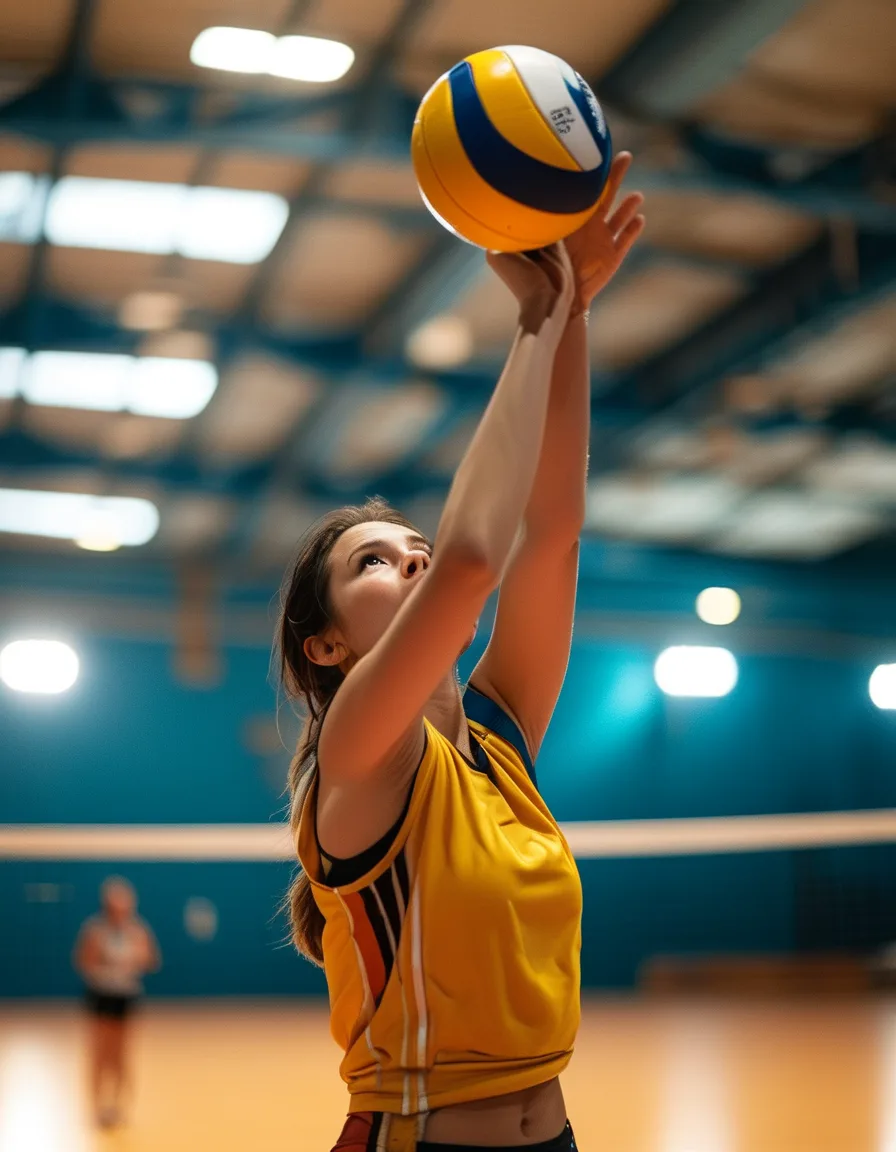
The actual technique: the square-the-shoulders-and-platform-toward-the-intended-target-before-the-ball-arrives (the pre-positioning the body’s orientation to the target rather than adjusting mid-contact — the square-shoulders-to-target-before-ball-arrives), the the-keep-the-platform-flat-and-consistent-rather-than-tilting-it-reactively-as-the-ball-approaches (the a stable, pre-set platform angle being more reliable than a last-second adjustment — the keep-platform-flat-not-reactive-tilt), the the-move-the-feet-to-get-the-body-and-platform-in-the-right-position-rather-than-reaching-with-the-arms-alone (the full-body positioning replacing an arms-only correction that can’t fully control angle on its own — the move-feet-not-just-reach-with-arms), and the frame (squaring shoulders and platform to the target before the ball arrives, keeping the platform flat and pre-set rather than reactive, and moving the feet to get into position — mechanics that control direction through positioning rather than swing adjustment).
How to Drill It With a Wall Before Adding a Full Game Context
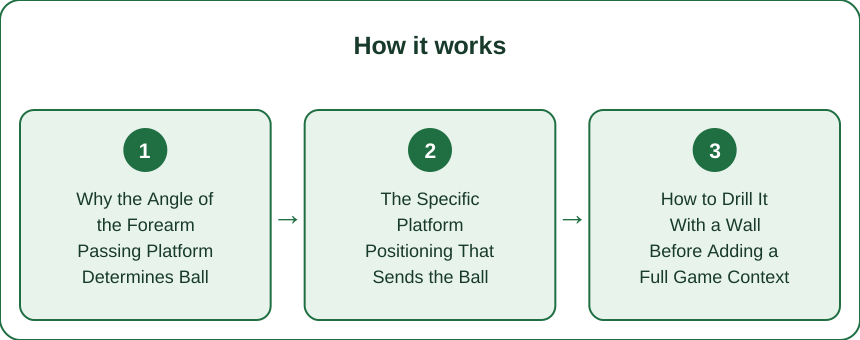
The solo wall drill: the stand-a-consistent-distance-from-a-wall-and-practice-passing-the-ball-back-to-a-specific-marked-target (the isolating the angle-control skill against a fixed, repeatable target — the pass-to-marked-target-on-wall-at-consistent-distance), the the-focus-purely-on-platform-angle-and-pre-positioning-rather-than-on-how-hard-the-ball-is-hit (the deliberately deprioritizing power to isolate the actual variable being trained — the focus-on-angle-not-power-during-drill), the the-increase-the-speed-or-angle-of-the-incoming-ball-only-once-consistent-accuracy-to-the-target-is-achieved-at-a-slow-pace (the sequencing difficulty increases after the base skill is reliable — the increase-difficulty-only-after-consistent-accuracy), and the frame (passing to a marked wall target at a consistent distance, focusing purely on platform angle over power, and increasing difficulty only once accuracy is consistent — a drill that isolates and builds the actual skill that controls pass direction).
Beginner volleyball players who keep sending passes off to the side often try to fix it by adjusting arm swing or power, but ball direction is determined almost entirely by the angle of the forearm platform at the moment of contact, since swing force mainly controls how far the ball travels rather than which direction it heads, and a slightly off-angle platform misdirects an accurately timed, powerful pass just as badly as a weak one. The fix is squaring the shoulders and platform toward the intended target before the ball arrives, keeping the platform flat and pre-set rather than reactively tilting it as the ball approaches, and moving the feet to get into the right position rather than reaching with the arms alone. Drill it against a wall by passing to a specific marked target at a consistent distance, focusing purely on platform angle rather than power, and only increasing the speed or angle of the incoming ball once accuracy to the target is consistent at a slower pace.
Keep Reading
This article is for general informational and styling purposes only. Fit, sizing, and product availability may vary.