Why Some Volleyball Shoes Squeak (and Grip) Way Better Than Others
Quick Answer: Gum rubber outsoles create high friction against clean, polished indoor court surfaces, producing both the squeak sound and the actual stopping power needed for volleyball’s quick lateral movements — a non-marking or generic rubber sole grips less and stays quieter, which is actually the worse sign.
That squeak everyone associates with gym sneakers isn’t just noise — it’s your shoe doing exactly what it’s designed to do on that specific floor.
Why does gum rubber grip so much better than standard rubber?
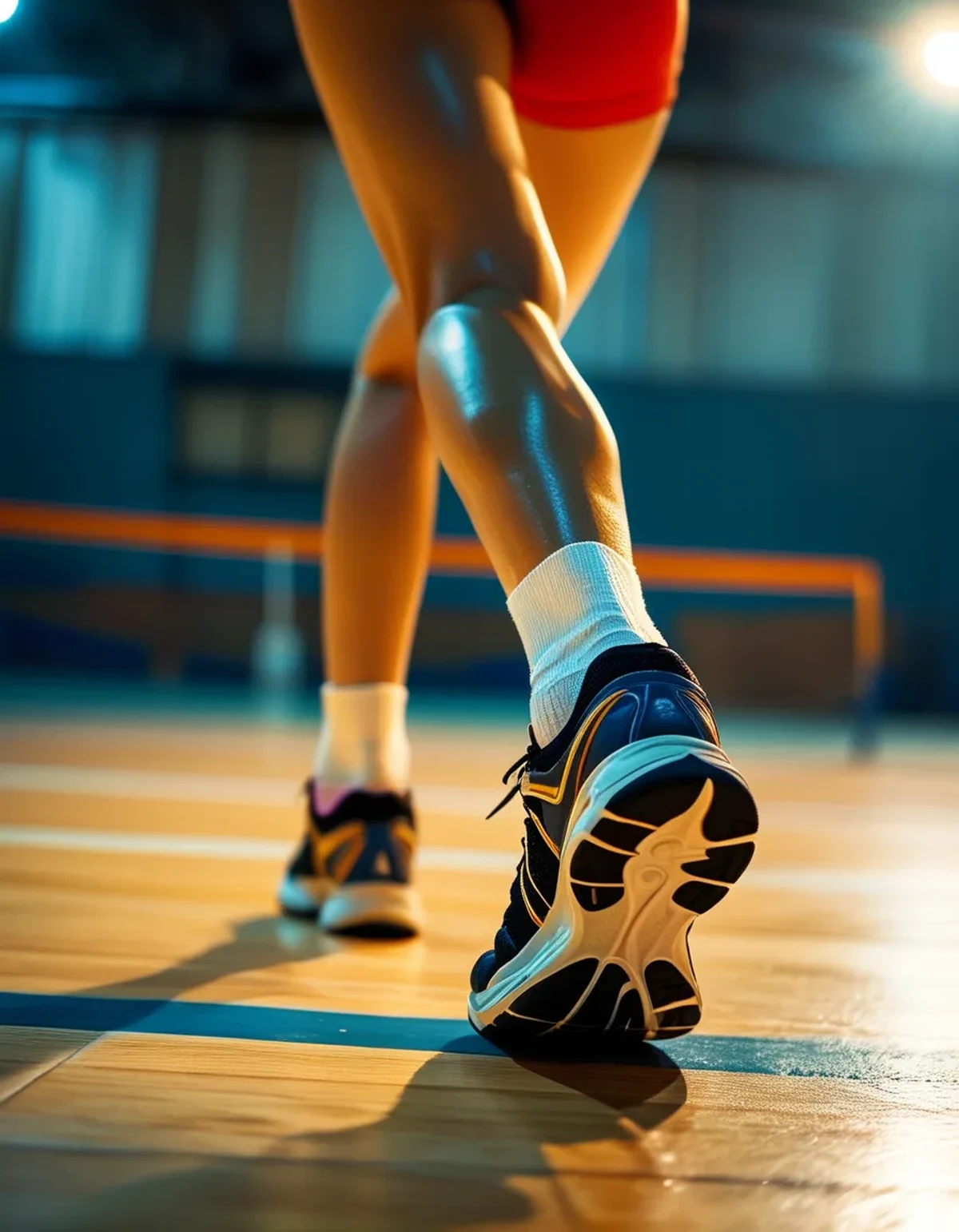
Gum rubber is a softer, tackier compound than the harder rubber used in generic athletic or outdoor shoes, and that softness lets it conform slightly to the microscopic texture of a polished hardwood or synthetic court surface, creating significantly more friction. That friction is exactly what volleyball players need for the sport’s constant explosive stops, shuffles, and direction changes.
The squeak is a direct byproduct of that high-friction contact — it’s the sound of rubber gripping and releasing rapidly against a smooth floor, and shoes that squeak less on the same floor are usually gripping less, not performing better.
Does outsole pattern matter as much as the rubber compound?
Yes, alongside compound — most volleyball-specific outsoles use a herringbone or multidirectional tread pattern designed for grip in every direction, since volleyball movement isn’t primarily forward like running. A shoe with a straight-line tread pattern (borrowed from a running shoe) won’t grip laterally as well even with a good rubber compound.
Can regular basketball shoes substitute for volleyball shoes?
Often reasonably well, since both sports use similar indoor court demands and many basketball shoes also use gum rubber outsoles. The bigger difference tends to be weight and cushioning profile — volleyball shoes are typically lighter with more emphasis on quick lateral response, while basketball shoes often add more cushioning for vertical impact, which can feel slightly sluggish for volleyball’s rapid direction changes.

5 Signs Your Volleyball Shoes Have Lost Their Grip
Noticeably less squeak than when the shoes were new. Worn-down gum rubber loses tackiness gradually.
Visible smoothing or shine on the outsole tread pattern. Flattened tread has less surface area to grip with.
Feeling like you’re sliding slightly on defensive shuffles. This is the practical, on-court version of the same problem.
Outsole rubber turning slightly hard or brittle. Rubber compounds degrade with age even without heavy use.
Court dust visibly building up faster on the sole than it used to. A degraded gum rubber surface holds onto more dust, which further reduces grip.
How much does court cleanliness affect this?
Significantly — dust and residue on a court surface act as a barrier between the gum rubber and the actual floor, reducing grip regardless of how new the shoes are. This is why players wipe their soles on a damp towel between points at higher levels of play — it’s addressing the dust layer, not the shoe itself.
FAQ: Volleyball Shoe Traction Questions, Answered
How often should volleyball shoes be replaced for grip alone?
Heavy players often notice a grip drop-off somewhere between 6-12 months of regular play, well before the shoe looks visibly worn out elsewhere.
Do gum rubber soles work outdoors for beach or grass volleyball?
No — gum rubber is specifically for indoor hard courts; outdoor and sand volleyball use entirely different footwear (or no shoes at all for sand).
Is a squeaky shoe always a sign of good grip?
Mostly yes on a clean indoor court, though excessive squeaking on a dirty or dusty floor can also just mean the dust itself is creating an inconsistent, higher-friction texture — not the same as reliable grip.
TL;DR:
- Gum rubber outsoles create the high friction volleyball’s quick stops and shuffles need
- The squeak sound is a byproduct of grip working correctly, not just noise
- Herringbone or multidirectional tread patterns matter as much as the rubber compound
- Worn tread, reduced squeak, and dust buildup all signal it’s time for new shoes
That squeaky gym floor sound isn’t just part of the atmosphere — it’s a genuine, audible signal that your shoes are gripping the way they’re supposed to.
Keep Reading
This article is for general informational and styling purposes only. Fit, sizing, and product availability may vary.