The Forearm Initiation: Ending Volleyball's Bruise Phase Faster
Volleyball’s beginner initiation is written on forearms: the bruise phase — the stinging platform that middle school gym never explained is mostly TECHNIQUE, not toughness. The fix ends the initiation in weeks: contact point, relaxed arms and the joint-swing secret.

The Contact Point Fix
The sting’s usual cause: contact on the wrists or hands instead of the forearm platform’s fleshy mid-zone — the correct contact (two inches above the wrists, on the flat pads) distributes force where the arm can absorb it. The platform is built for this; the wrist bones weren’t.
The Tension Paradox
Rigid arms hurt more: clenched, braced platforms transmit shock; relaxed-but-firm arms absorb it (the paradox every coach teaches — softening REDUCES the sting). The cue: shoulders low, arms extended but not locked, the ball met rather than fought.
The Legs-Not-Arms Secret
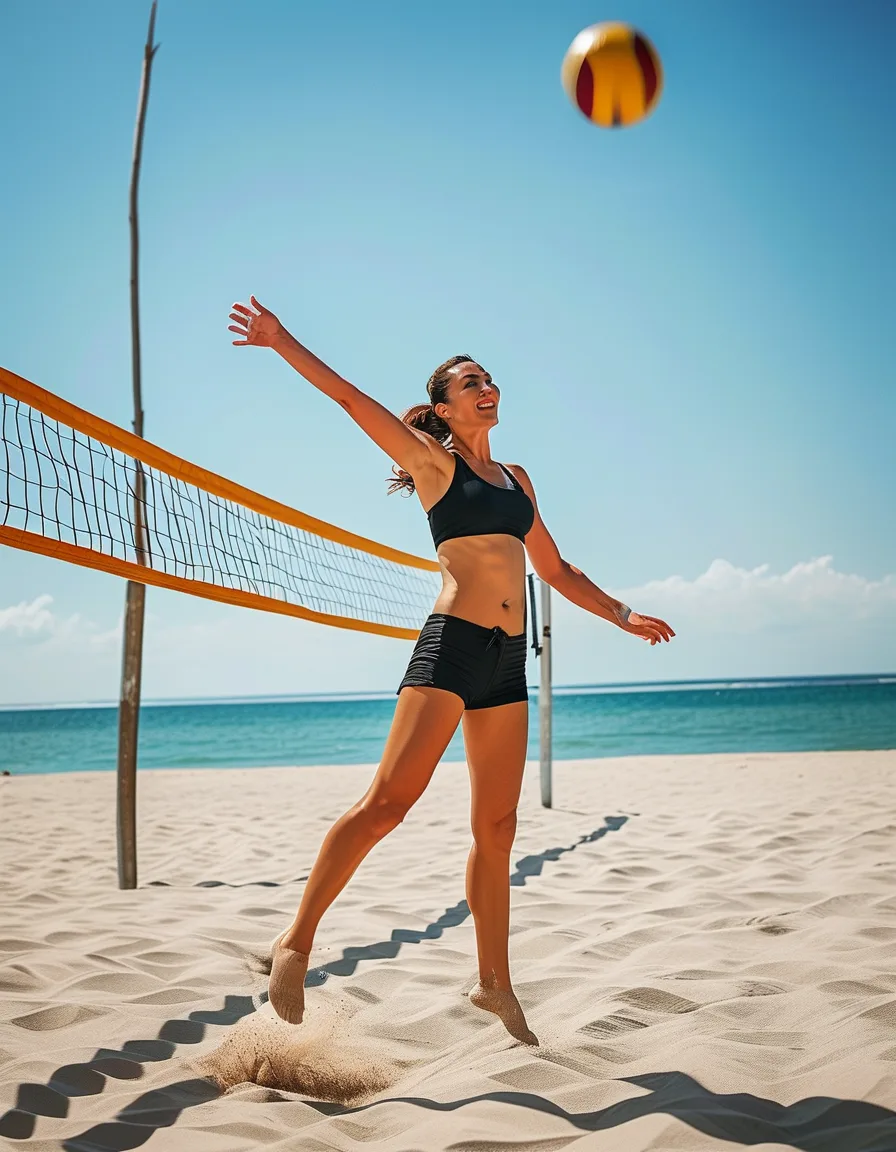
The full fix: power comes from the LEGS — the platform angles, the knees drive, the arms barely swing (the arm-swing bump is both painful AND inaccurate; the quiet-arms pass is neither). Passing with bent knees and still arms ends most bruising in one session.
The Adaptation Timeline
The honest remainder: even correct technique includes an adaptation period — forearm skin and tissue toughen across the first weeks (the fading bruise phase is universal; the permanent one is technique unfixed). Sleeves exist for tender-armed beginners (fully legal, occasionally fashionable), and the day a hard-driven ball lands painless on your platform is the initiation’s actual graduation.
Mid-forearm contact, soft-firm arms, legs as the engine. The bruise phase was a technique memo written on skin — corrected, it fades in weeks and the platform starts feeling like equipment.
Keep Reading
This article is for general informational and styling purposes only. Fit, sizing, and product availability may vary.