Volleyball Jumping and Conditioning: Jump Higher and Last Longer
In volleyball, your vertical jump and your conditioning often decide the game — you need to jump high, jump repeatedly and stay sharp through long matches. The right training builds both. Here is why jumping and conditioning matter, the training that builds them, and how to stay healthy while you do.
Why Jumping and Conditioning Matter
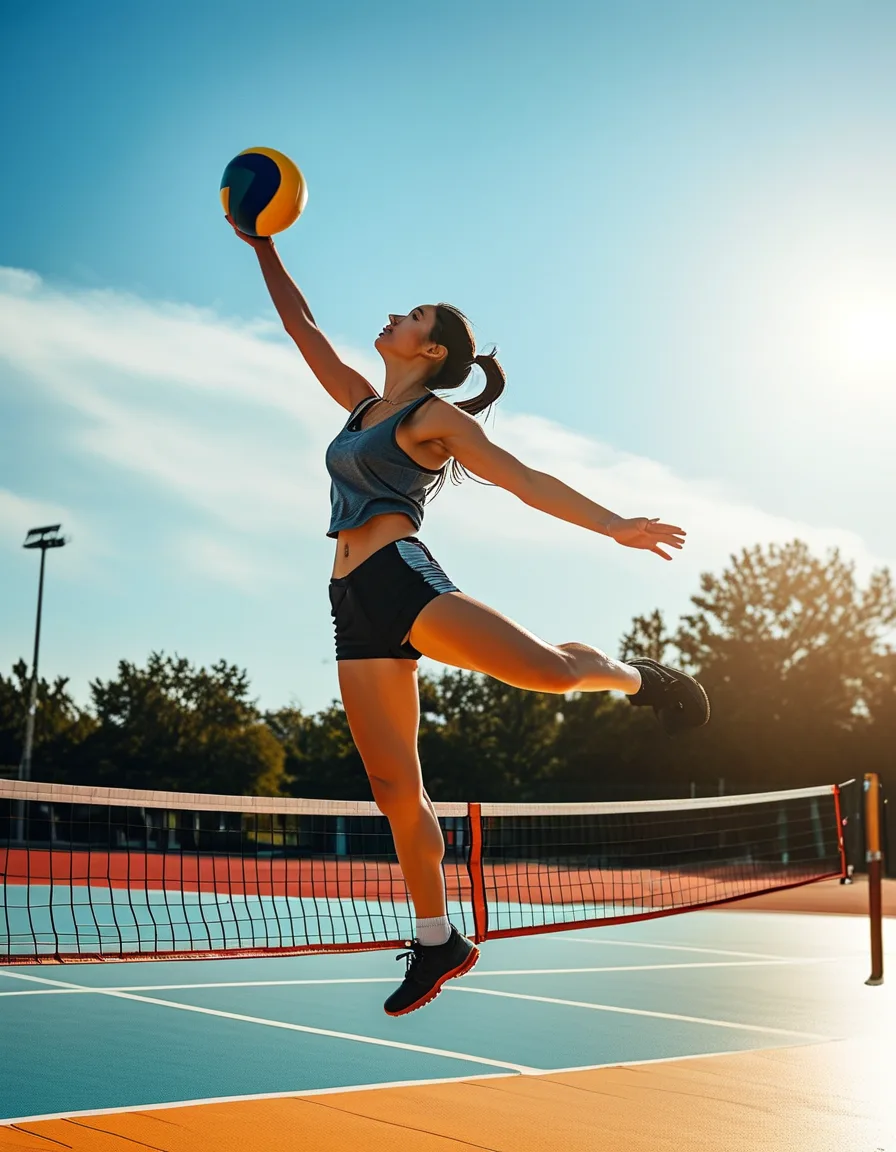
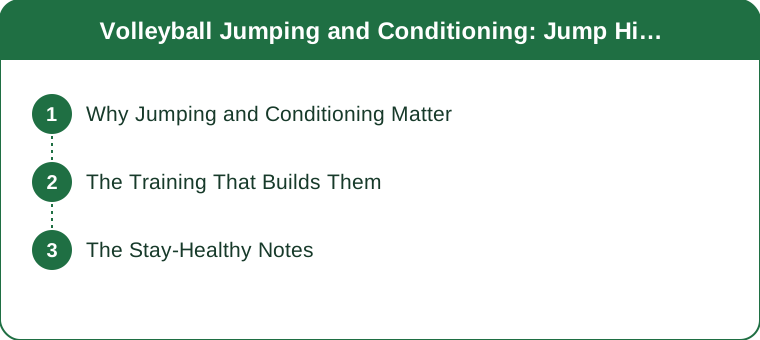
The demands of volleyball: the the-vertical-jump-is-key (the your vertical jump determining your hitting and blocking from the beginners logic — the the-jump-matters), the the-repeated-jumping (the volleyball requiring jumping repeatedly through a match, not just once — the the-repeated-effort), the the-endurance-for-matches (the conditioning to stay sharp through long matches from the beginners logic — the the-endurance), the the-quick-movement-and-agility (the fast movement and agility for defense and coverage from the defense logic — the the-agility), the the-power-for-hitting (the power for hitting and serving from the serving logic — the the-power), and the reframe (the volleyball fitness as jump power plus conditioning — jumping higher, jumping repeatedly and lasting longer through the match).
The Training That Builds Them
Volleyball conditioning: the the-plyometric-jump-training (the plyometric training to build explosive vertical jump — the the-jump-training), the the-leg-strength (the squats and leg strength as the base for jumping — the the-leg-power), the the-core-and-power (the core and rotational power for hitting and stability from the serving logic — the the-core-and-power), the the-agility-and-footwork (the agility drills for court movement and defense from the defense logic — the the-agility-work), the the-conditioning-and-endurance (the cardio and conditioning to last through matches from the beginners logic — the the-endurance-base), the the-shoulder-conditioning (the shoulder strength and care for hitting and serving from the hands-bruising logic — the the-shoulder-care), the the-landing-mechanics (the training safe landing mechanics to protect the knees — the the-landing-safety), and the the-progress-the-training (the building jump and conditioning gradually — the progress-gradually).
The Stay-Healthy Notes
Training safely: the the-safe-landing-mechanics (the good landing technique to protect the knees and ankles from jumping — the land-safely), the the-build-jump-training-gradually (the progressing plyometrics gradually to avoid overload — the ease-into-jumps), the the-warm-up-thoroughly (the warming up before jumping and playing — the warm-up-first), the the-shoulder-and-knee-care (the caring for the shoulders and knees volleyball stresses from the hands-bruising logic — the protect-the-joints), the the-recovery (the recovery between training and matches — the recover-well), the the-strength-supports-the-jump (the leg and core strength protecting you as you jump higher — the strength-protects), the the-listen-to-your-body (the easing off at signs of overuse — the the-warning-signs), and the frame (the volleyball jumping and conditioning as plyometrics, leg and core strength, agility and endurance built gradually with safe landing and joint care — jumping higher and lasting longer, safely. Train plyometrics and leg strength for the jump, condition for endurance, land safely, and care for your knees and shoulders).
In volleyball, your vertical jump and conditioning often decide the game — you need to jump high, jump repeatedly and stay sharp through long matches. Jumping and conditioning matter because your vertical determines your hitting and blocking, you jump repeatedly through a match, conditioning keeps you sharp, agility drives defense, and power fuels hitting. The training that builds them: plyometric jump training, leg strength, core and rotational power, agility and footwork drills, conditioning for endurance, shoulder conditioning, and safe landing mechanics — progressed gradually. Stay healthy by training safe landing mechanics, building plyometrics gradually, warming up thoroughly, caring for the shoulders and knees, recovering well, using strength to protect the jump, and listening to your body. Jumping higher and lasting longer, safely.
Keep Reading
This article is for general informational and styling purposes only. Fit, sizing, and product availability may vary.