Why Your Serve Receive Keeps Breaking Down Under Pressure (Even Though Practice Feels Fine)
Quick Answer: Serve receive falls apart under match pressure mainly because of platform angle changes caused by tensed shoulders, rushed footwork from anticipating the serve too early, and a narrowed visual focus that misses the server’s toss cues. All three are fixable with specific, targeted practice — not just ‘more reps.’
It’s one of the most common frustrations in volleyball: your passing looks clean in a relaxed practice rep, then falls apart the moment the score gets close. The difference isn’t a mental toughness gap — it’s a handful of specific, physical breakdowns that pressure reliably triggers.
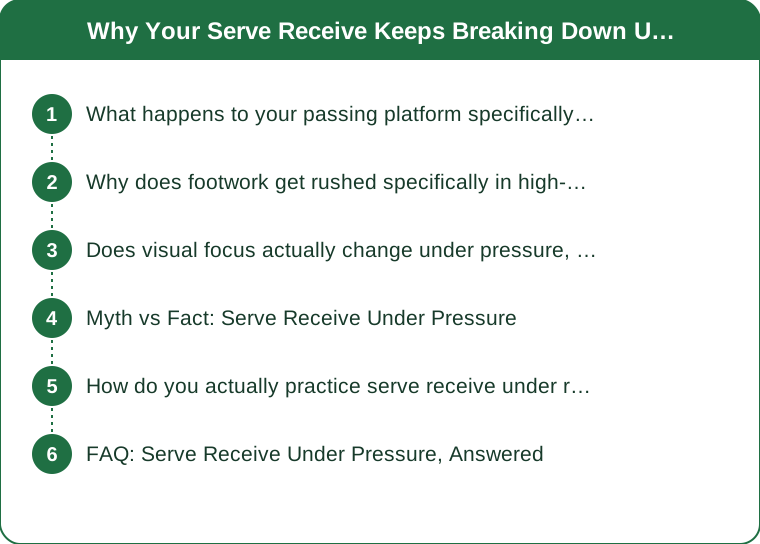
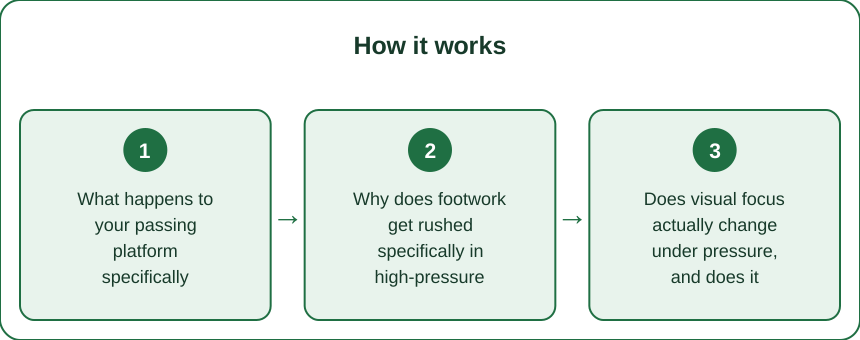
What happens to your passing platform specifically under pressure?
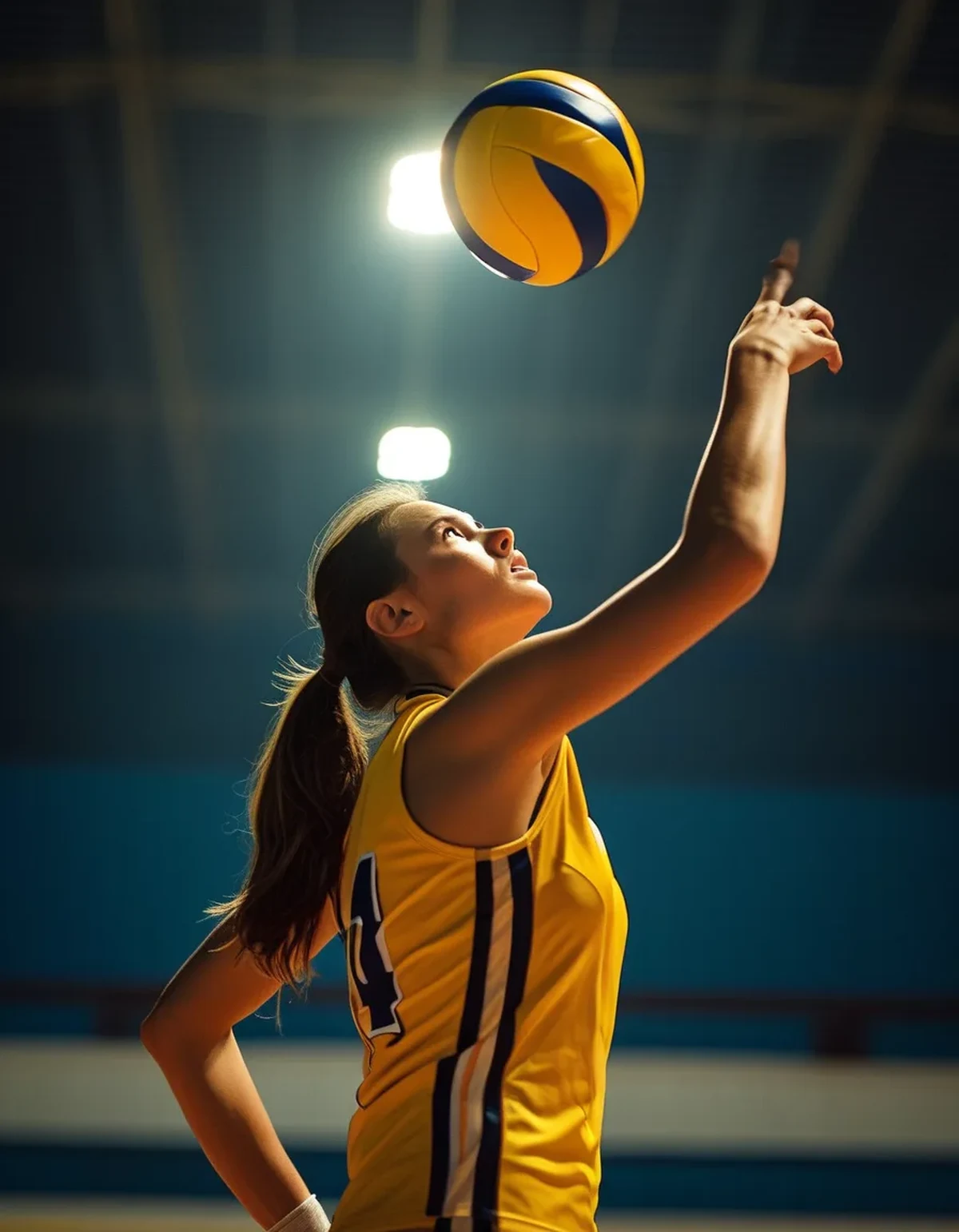
Tension is the main culprit. Under pressure, shoulders instinctively rise and tighten, which changes your platform angle without you consciously noticing — the exact same arm position that sent the ball accurately in practice now sends it long or off-target because the angle shifted by just a few degrees.
The fix is a pre-serve routine: a deliberate shoulder drop and exhale right before the server contacts the ball, which resets your platform to its relaxed, accurate angle instead of the tensed, pressure-altered one.
Why does footwork get rushed specifically in high-pressure rallies?
Anticipating the serve direction too early causes players to commit their feet before the ball is actually served, which means they’re often moving in the wrong direction or off-balance at contact. Waiting to read the server’s toss and arm swing before committing footwork is slower to react to on paper but dramatically more accurate in practice, because you’re moving to where the ball is actually going rather than where you guessed it would go.
Does visual focus actually change under pressure, and does it matter?
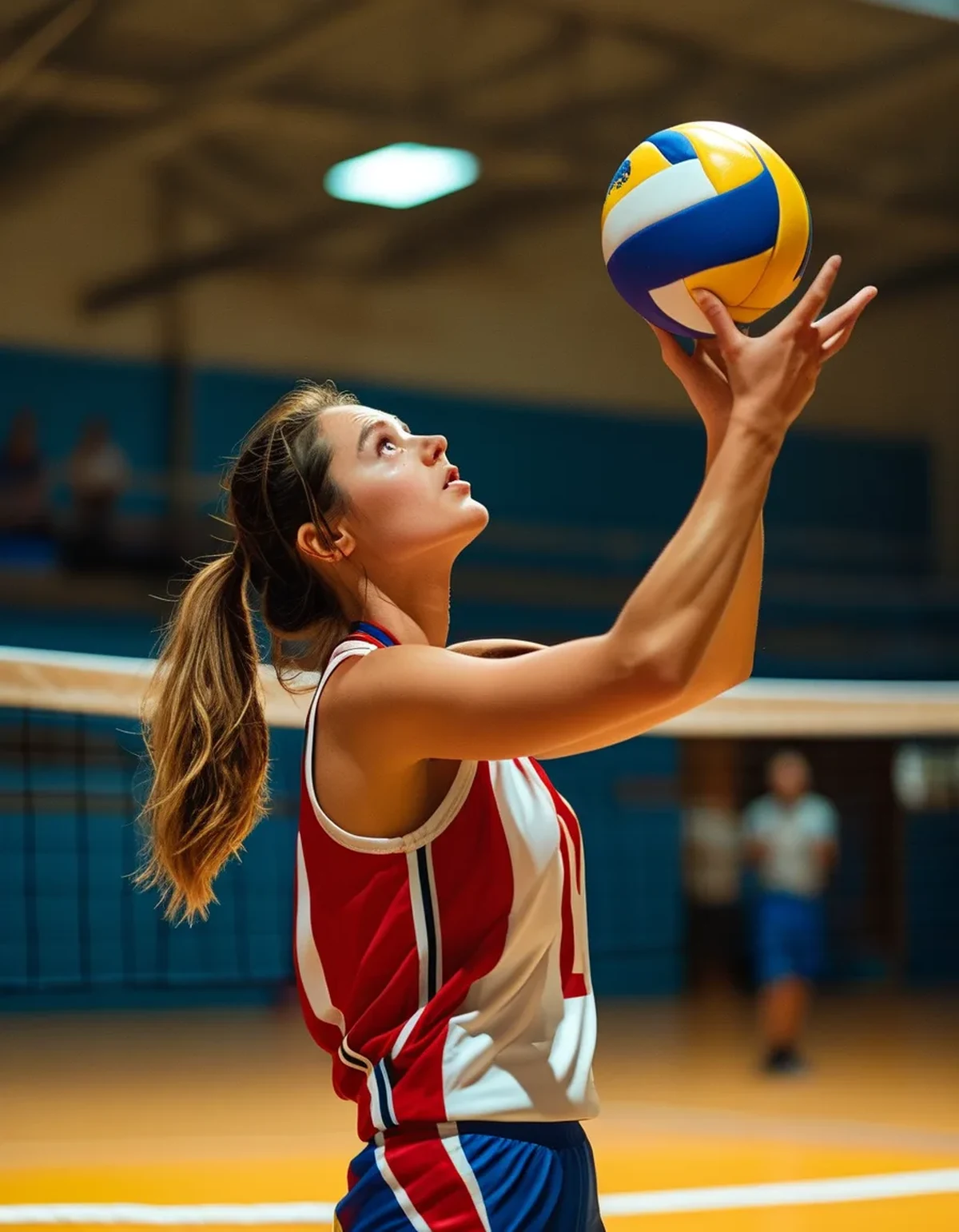
Yes — under stress, attention tends to narrow onto the ball itself too early, missing the server’s toss height and contact point, which are the earliest and most reliable cues for serve direction and speed. Deliberately watching the toss and the server’s arm, not just the ball in flight, gives you an extra half-second of read time that most players give away by focusing too late.
Myth vs Fact: Serve Receive Under Pressure
Myth: Breaking down under pressure is a mental toughness problem. Fact: It’s a physical and technical one first — tensed shoulders and rushed footwork are what actually change your passing outcome, not nerves in the abstract.
Myth: More serve-receive reps in practice automatically fix match-pressure passing. Fact: Reps only help if they’re run under simulated pressure — score pressure, fatigue, or crowd noise — since calm-practice reps don’t train the same tensed-shoulder response that shows up in matches.
How do you actually practice serve receive under realistic pressure?
Add artificial stakes to practice reps: track a passing percentage and set a team or personal target, run serve-receive drills at the end of a hard conditioning set when you’re fatigued, or scrimmage with score pressure specifically on serve-receive rallies. Simulating the physical and mental state of a real match — tired legs, a scoreboard, some noise — trains the tensed-shoulder response directly instead of leaving it unaddressed until game day.
FAQ: Serve Receive Under Pressure, Answered
Why does my passing get worse specifically in tournament finals or close sets?
Higher stakes increase the shoulder-tension and early-commitment effects described above. It’s a predictable physical response to pressure, not a unique flaw in your game.
Should I change my platform angle when I know I’m nervous?
No — instead, focus on the pre-serve reset (shoulder drop, exhale) to return your platform to its normal, practiced angle rather than trying to consciously adjust it differently under stress.
How long does it take to fix a pressure-related passing breakdown?
With deliberate pressure-simulated practice, most players notice meaningful improvement within 3-4 weeks of consistent, targeted reps — much faster than trying to ‘mentally push through’ it without changing the actual training approach.
TL;DR:
- Pressure changes your platform angle through shoulder tension, not through a lack of mental toughness
- Rushed footwork from anticipating serves too early is a common, fixable cause of missed passes
- Watching the toss and arm swing, not just the ball, buys critical extra read time
- Practice serve receive under simulated pressure (fatigue, score, noise) to train the actual breakdown
The fix for pressure passing isn’t toughing it out — it’s training the specific physical response pressure triggers.
Keep Reading
This article is for general informational and styling purposes only. Fit, sizing, and product availability may vary.